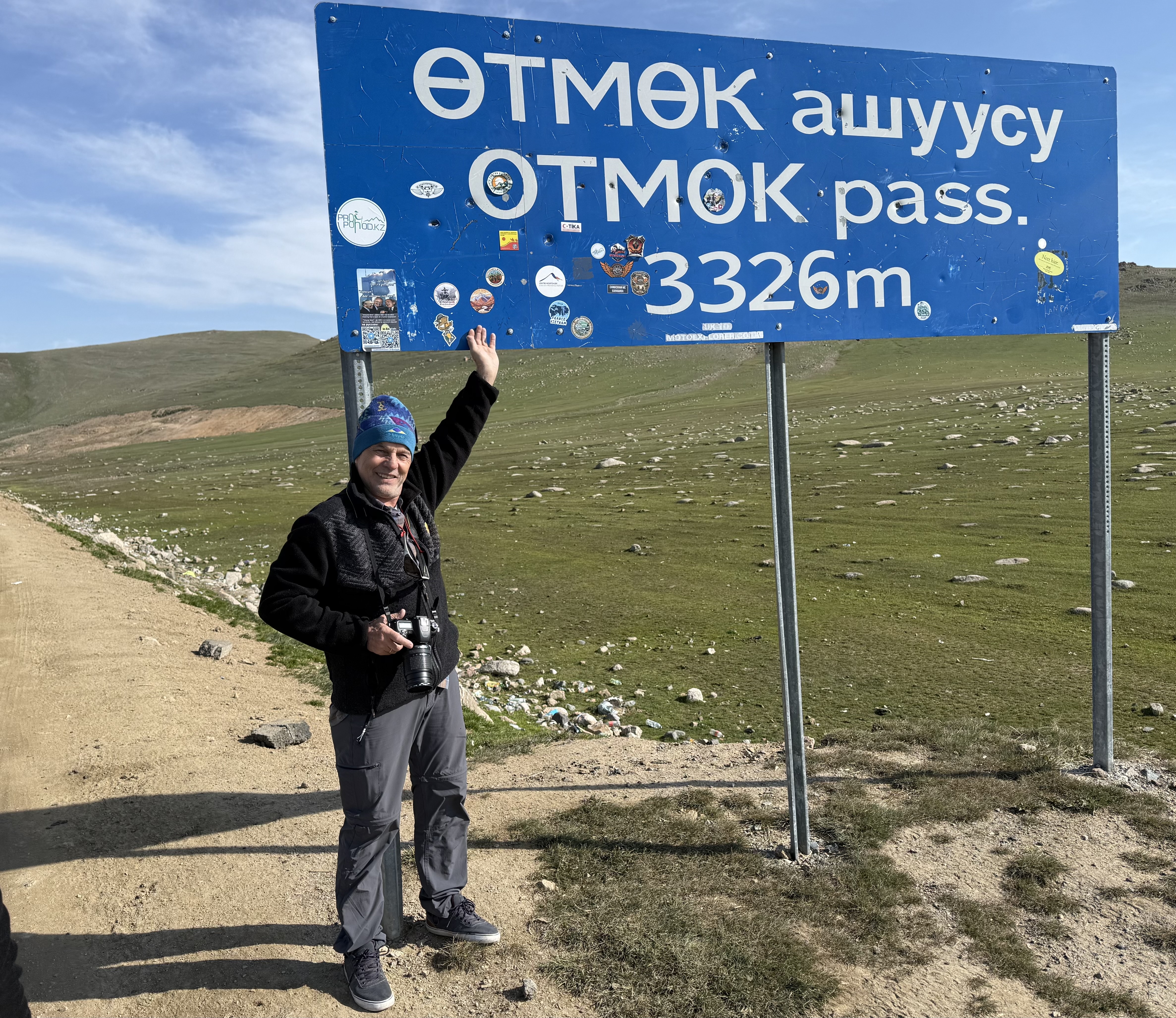
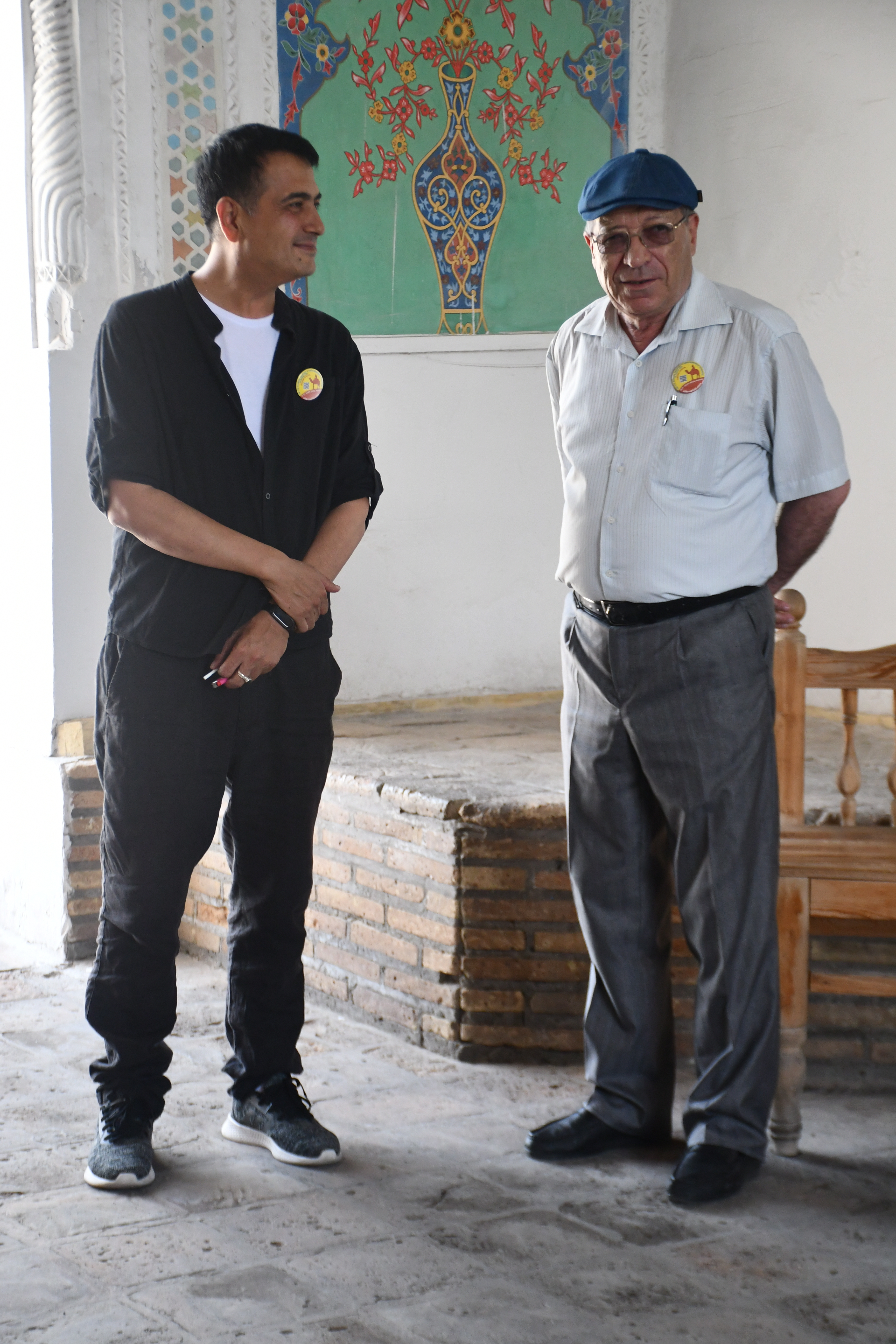
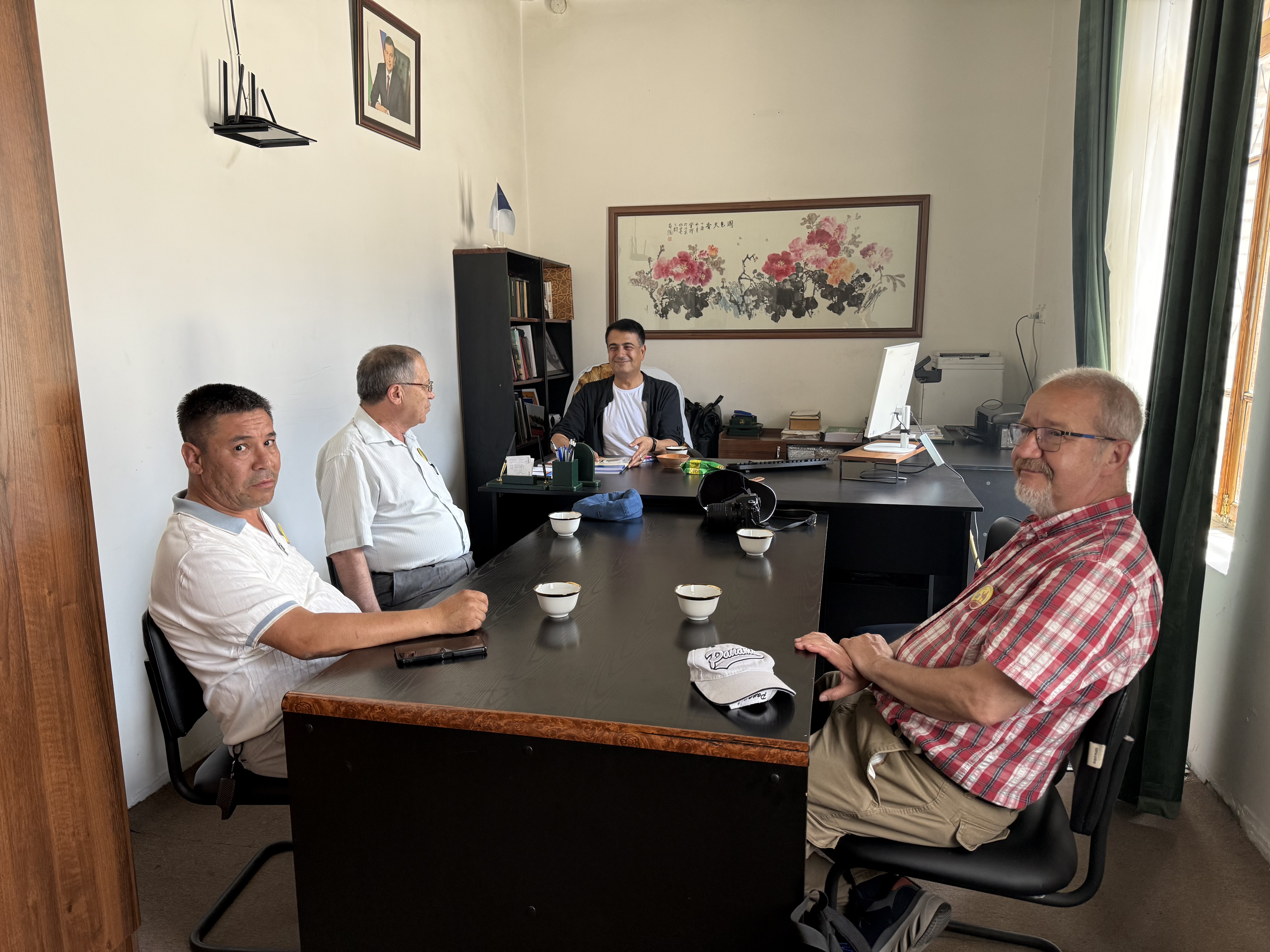
Lublin University of Technology’s Scientific Expedition to Central Asia, organized by the Department of Computer Science at the Faculty of Electrical and Computer Engineering. Professor Jerzy Montusiewicz and Professor Marek Miłosz participated in the expedition, which operated in Uzbekistan and Kyrgyzstan. The Lab 3D group’s research interests include 3D digitization of tangible cultural heritage objects located along the ancient Silk Road, both in the Fergana Valley (Uzbekistan), including the Polonica found there, and in various regions of Kyrgyzstan.
During the 11th Expedition the following was carried out:
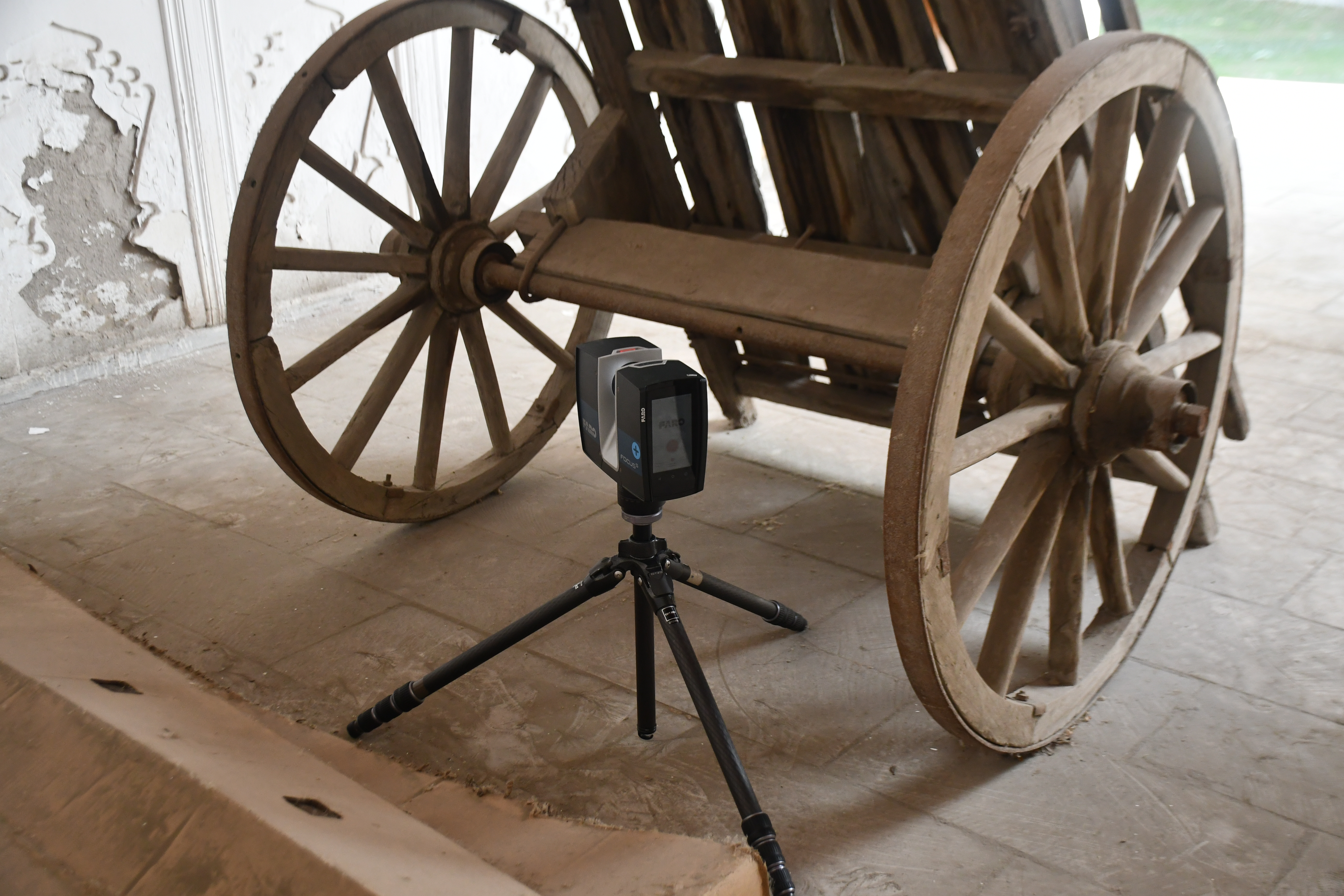
- 3D laser scanning (TLS) and photogrammetry (CRP) of historic architectural objects, LiDAR scanning of small cultural heritage objects,
- teaching classes, and
- working meetings with representatives of various government offices, universities, and museums in Uzbekistan.
The most important events of the expedition are:
Uzbekistan
- A meeting with Prof. Dilbar Mukhamedova, Dean of the Faculty of Social Sciences at the National University of Uzbekistan (Tashkent), regarding the signing of an extension of the memorandum of understanding with the Lublin University of Technology on further cooperation.
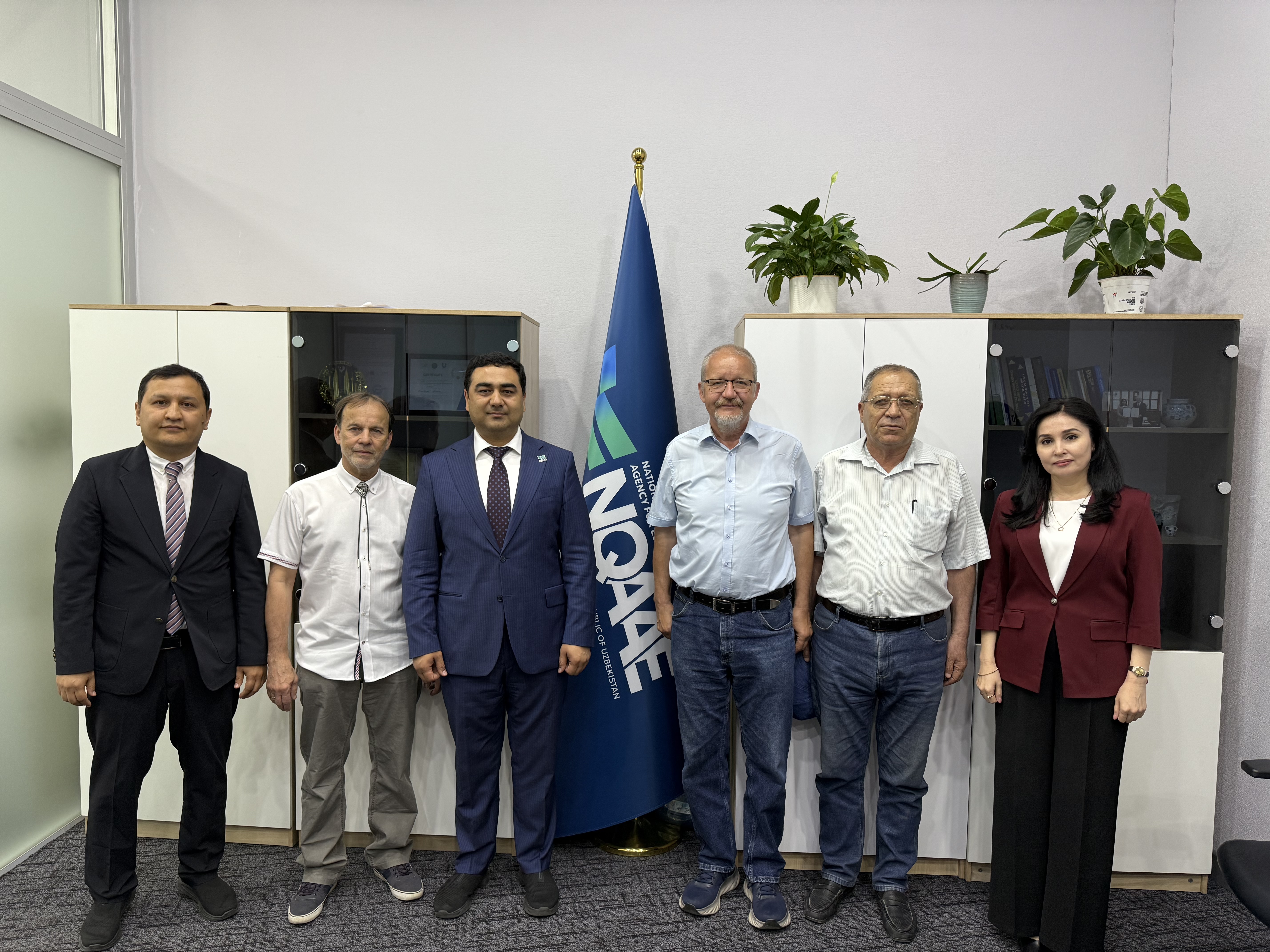
- A meeting with Sador Rakhimboyev from the National Quality Assurance Agency for Education under the Administration of the President of the Republic of Uzbekistan regarding methods of evaluating the quality of education at public and private universities in Uzbekistan.
- A meeting with Prof. Bakhodir Eshchanov, Vice-Rector for Research and Innovation at Chirchik State Pedagogical University, regarding the signing of an extension of the memorandum of understanding on further cooperation.
- A handover to Prof. Utkir Abdullaevu, Head of the Department of History at the Faculty of Socio-economic Sciences of Urgench State University Named After Abu Rayhan Biruni, documents regarding the signing of an extension of the memorandum of understanding on cooperation between our universities.
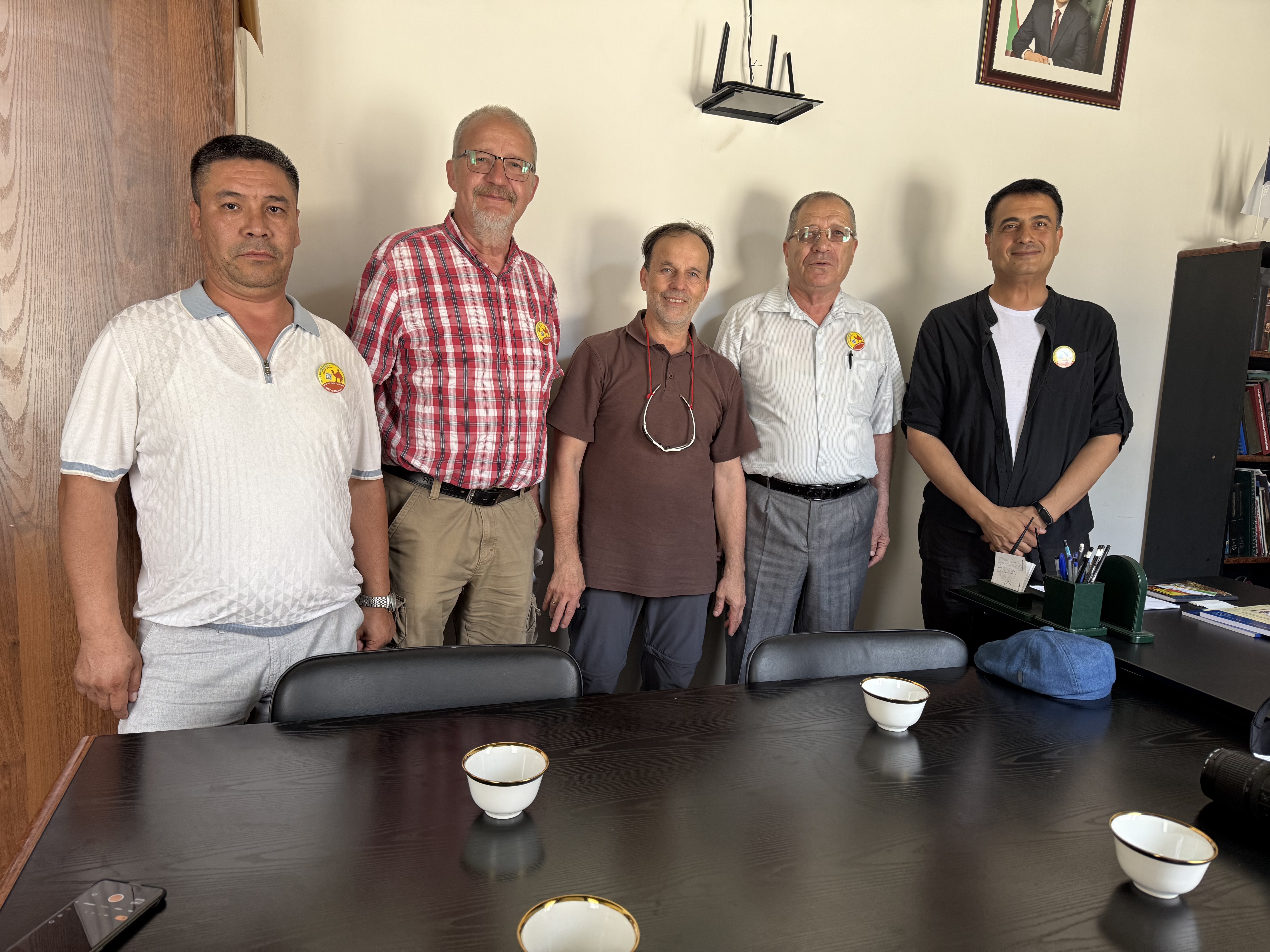
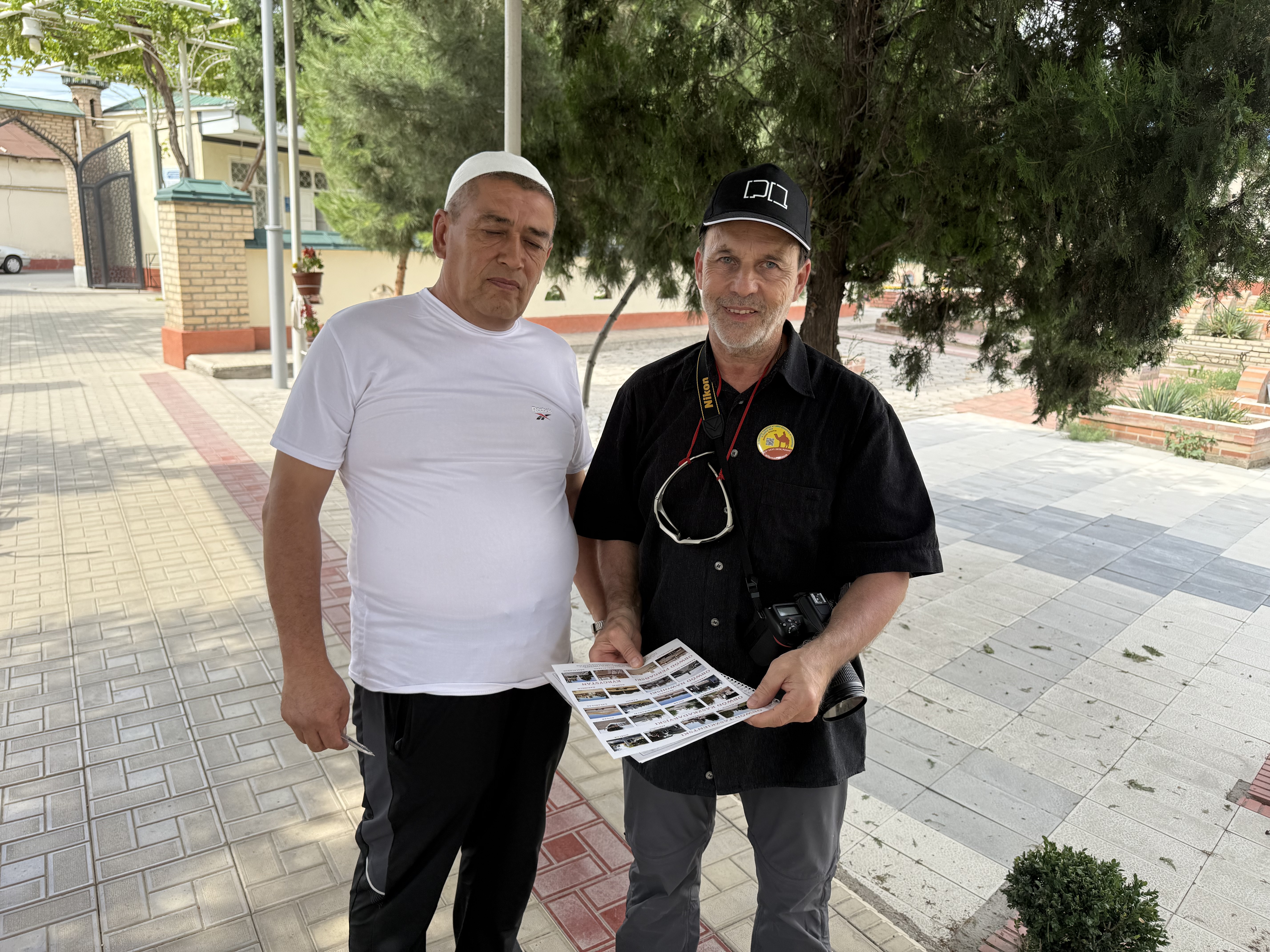
- Working visit with Mavlokulov Mukhammad Rashad, Director of the Kokand State History and Culture Museum.
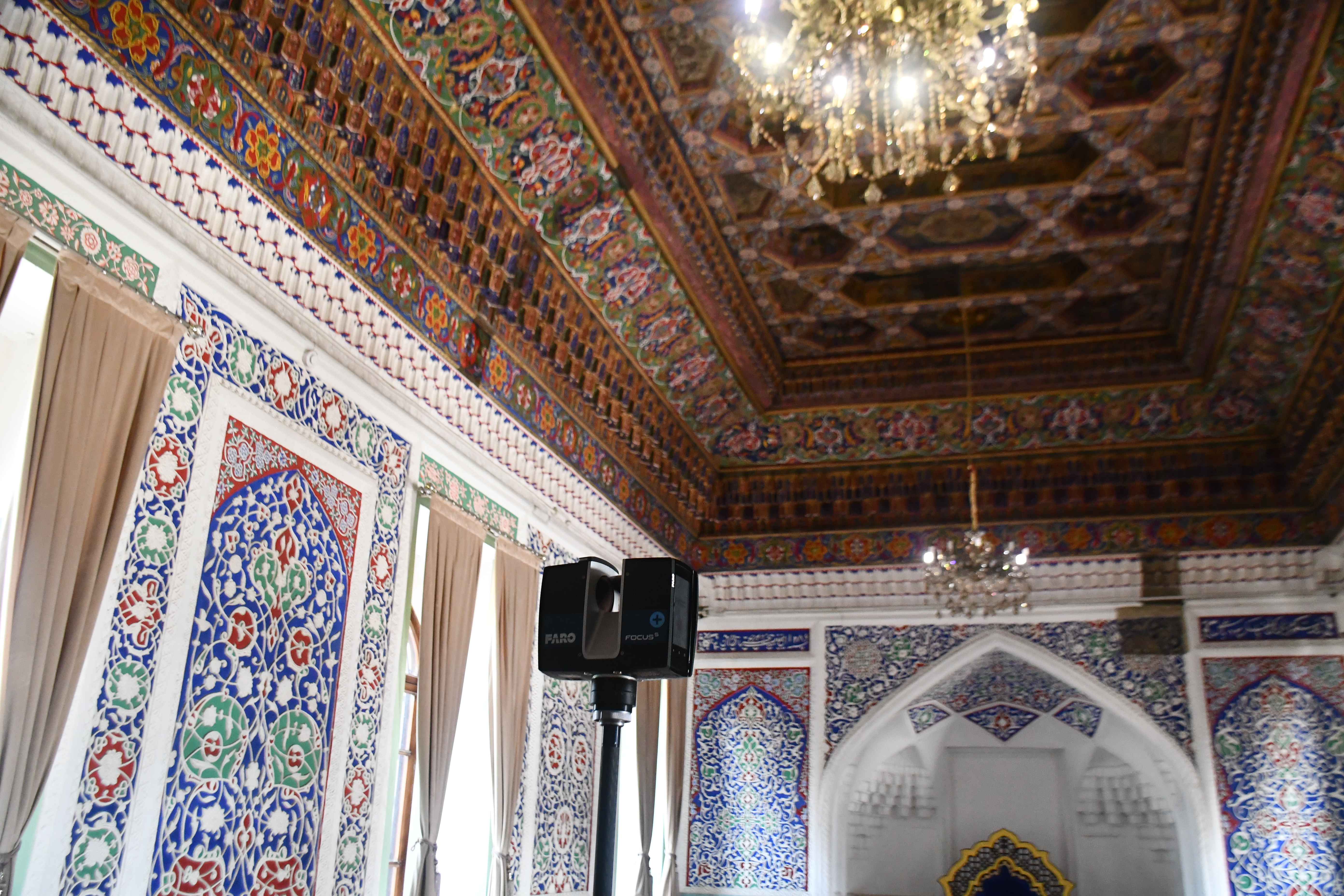
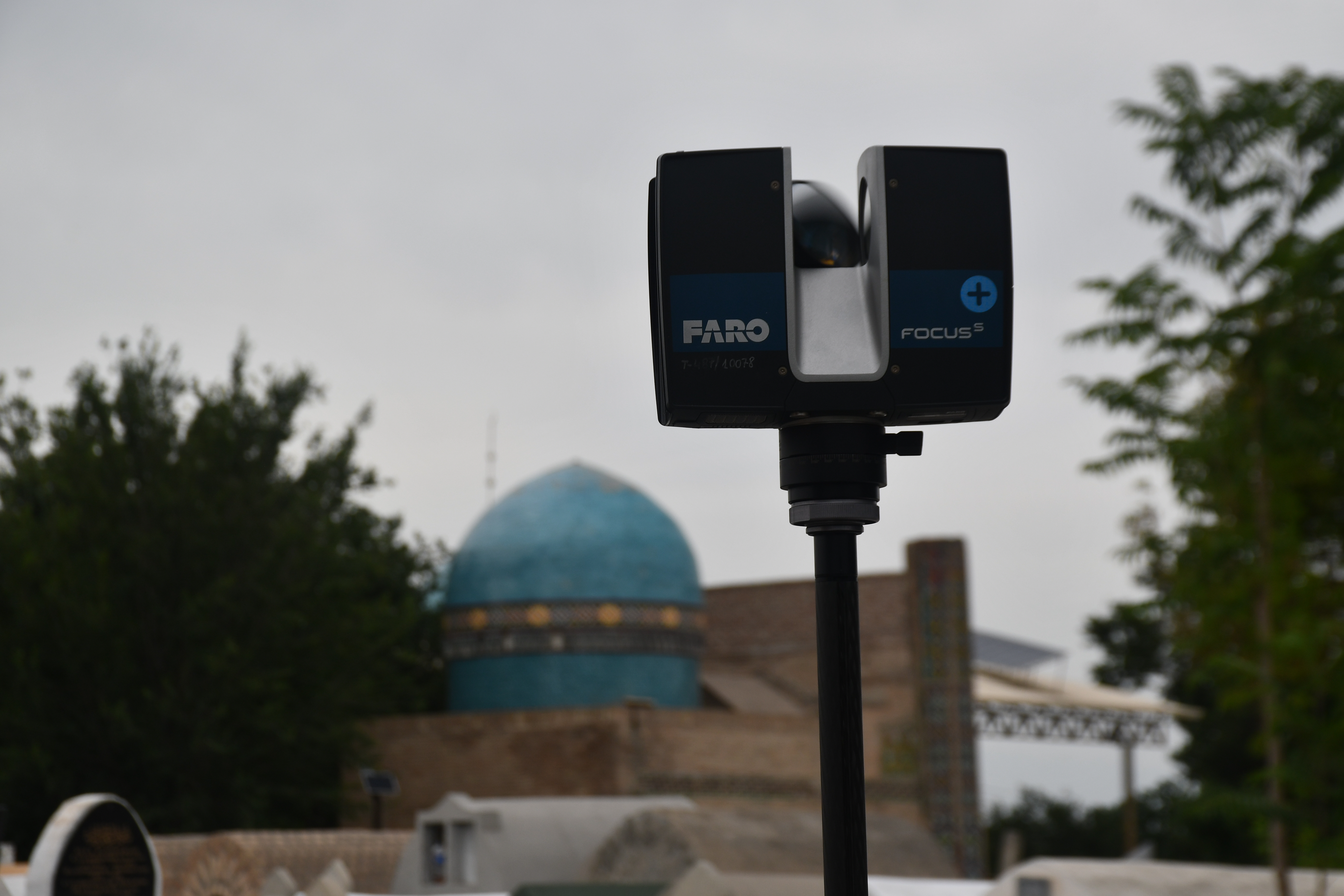
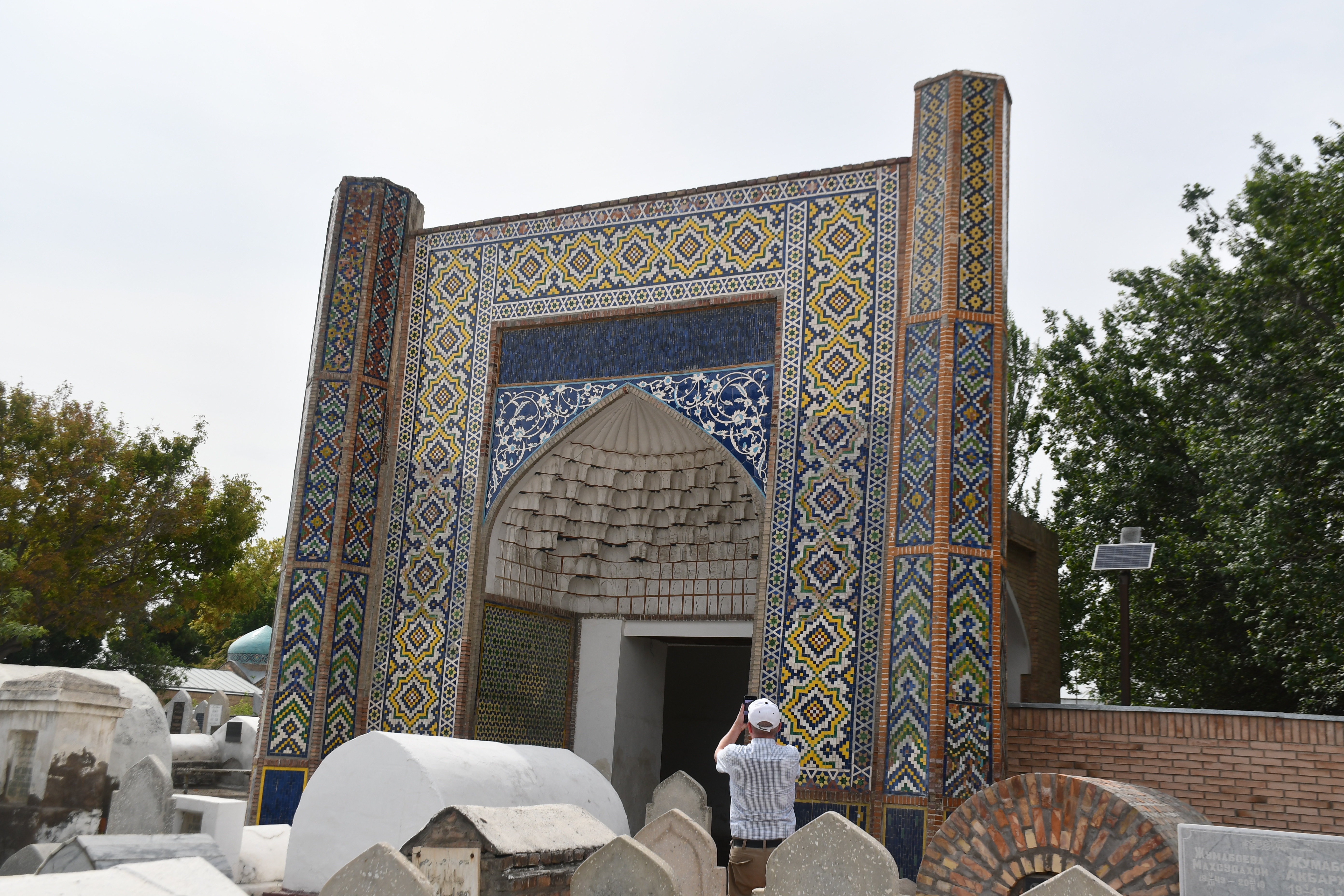
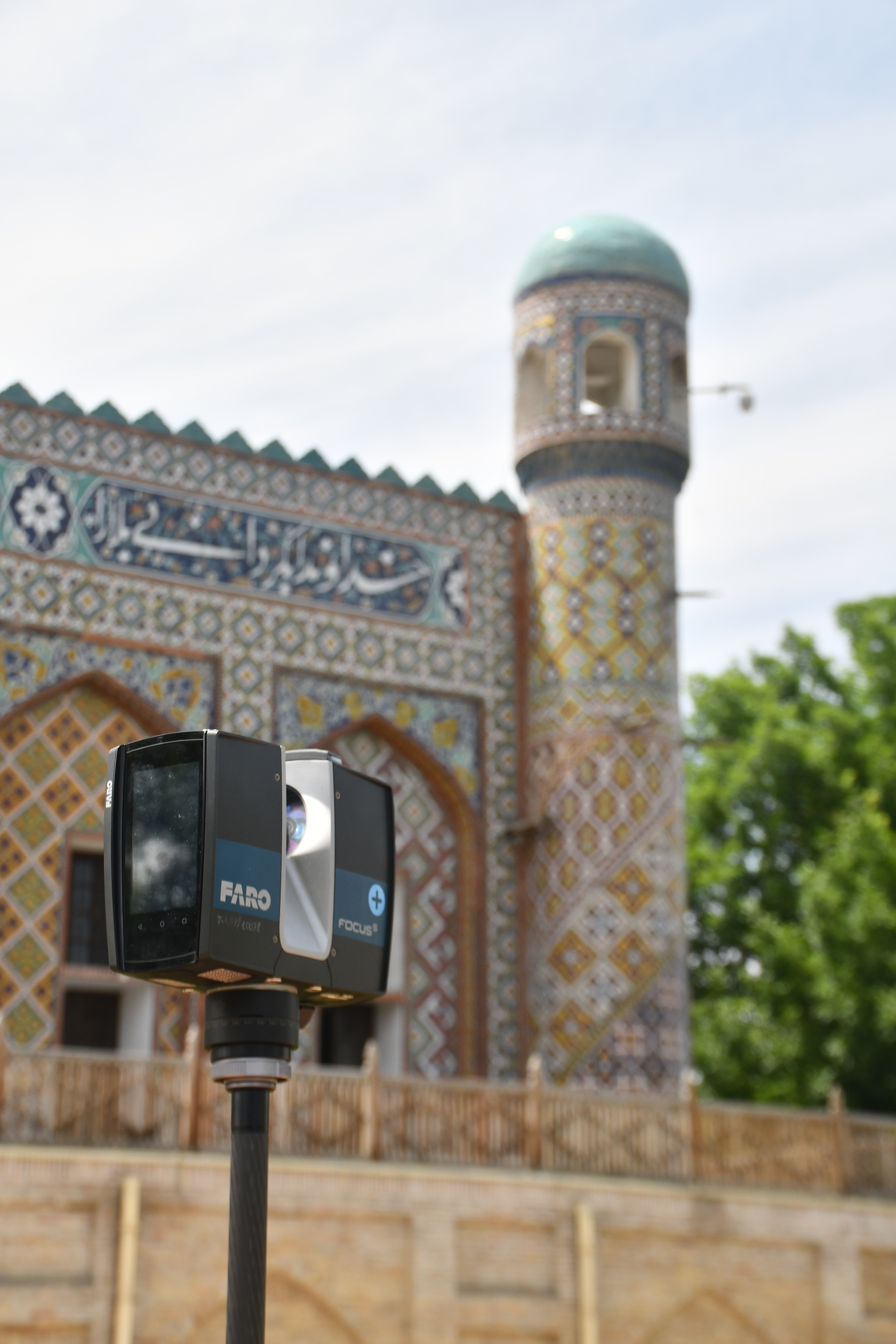
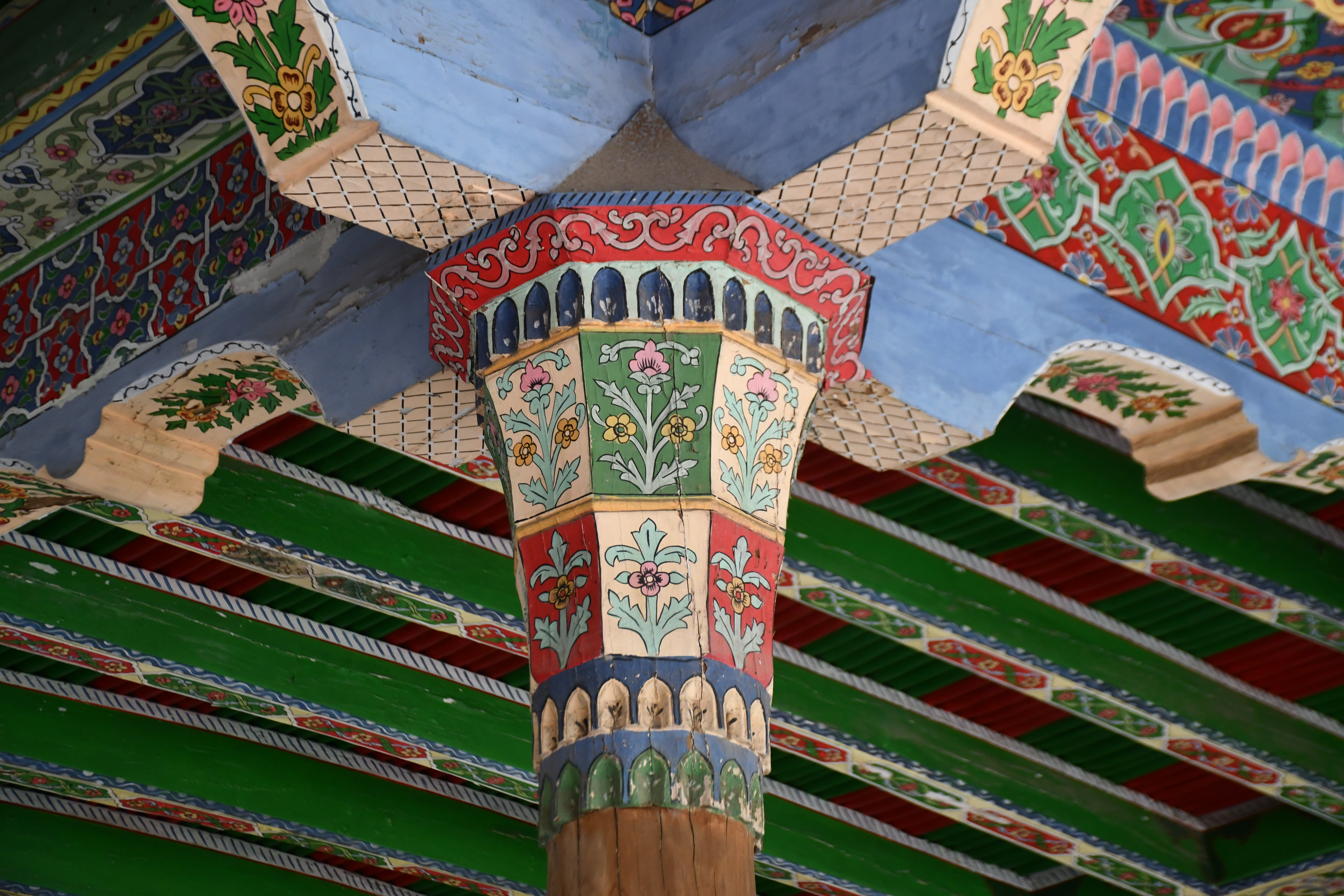
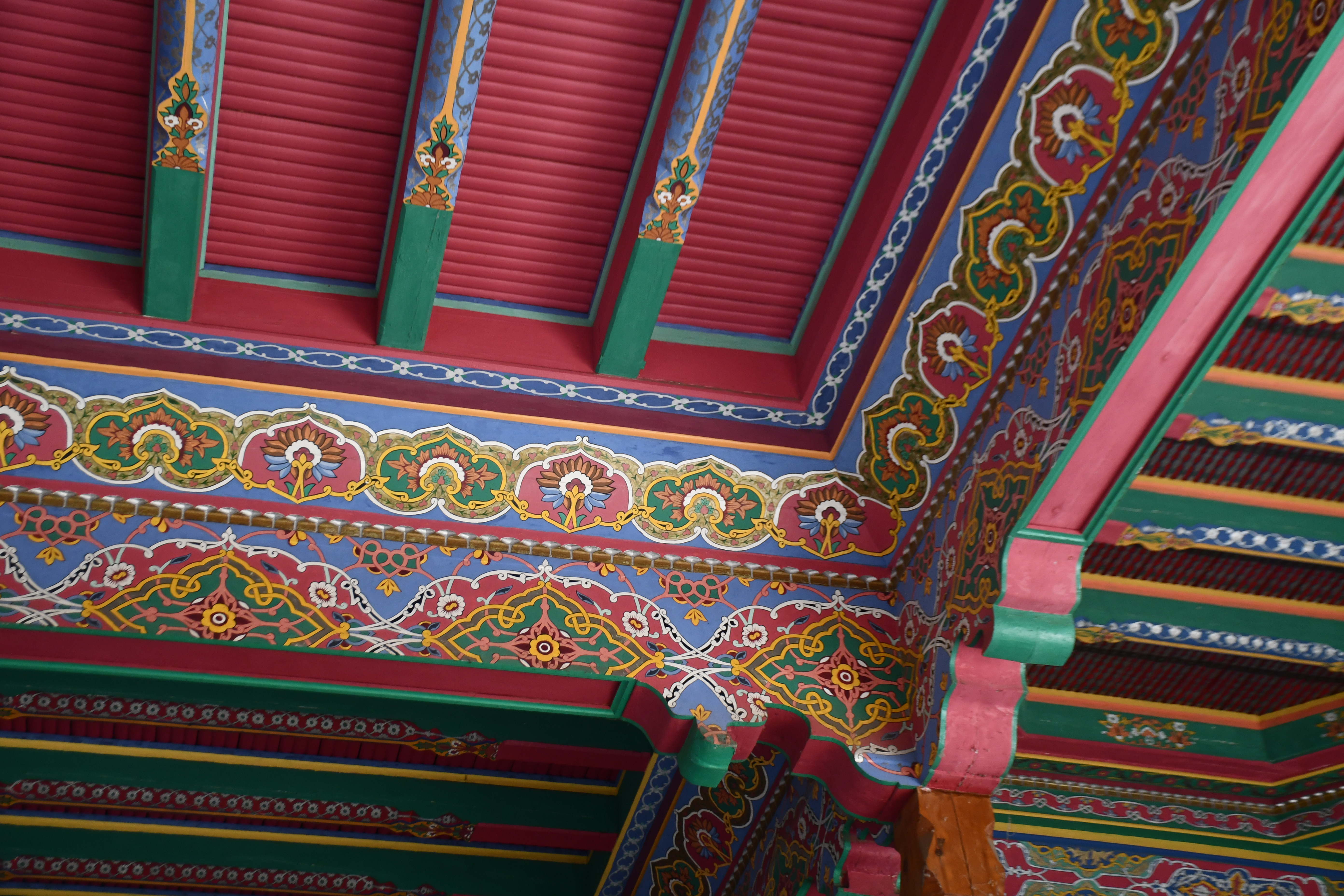
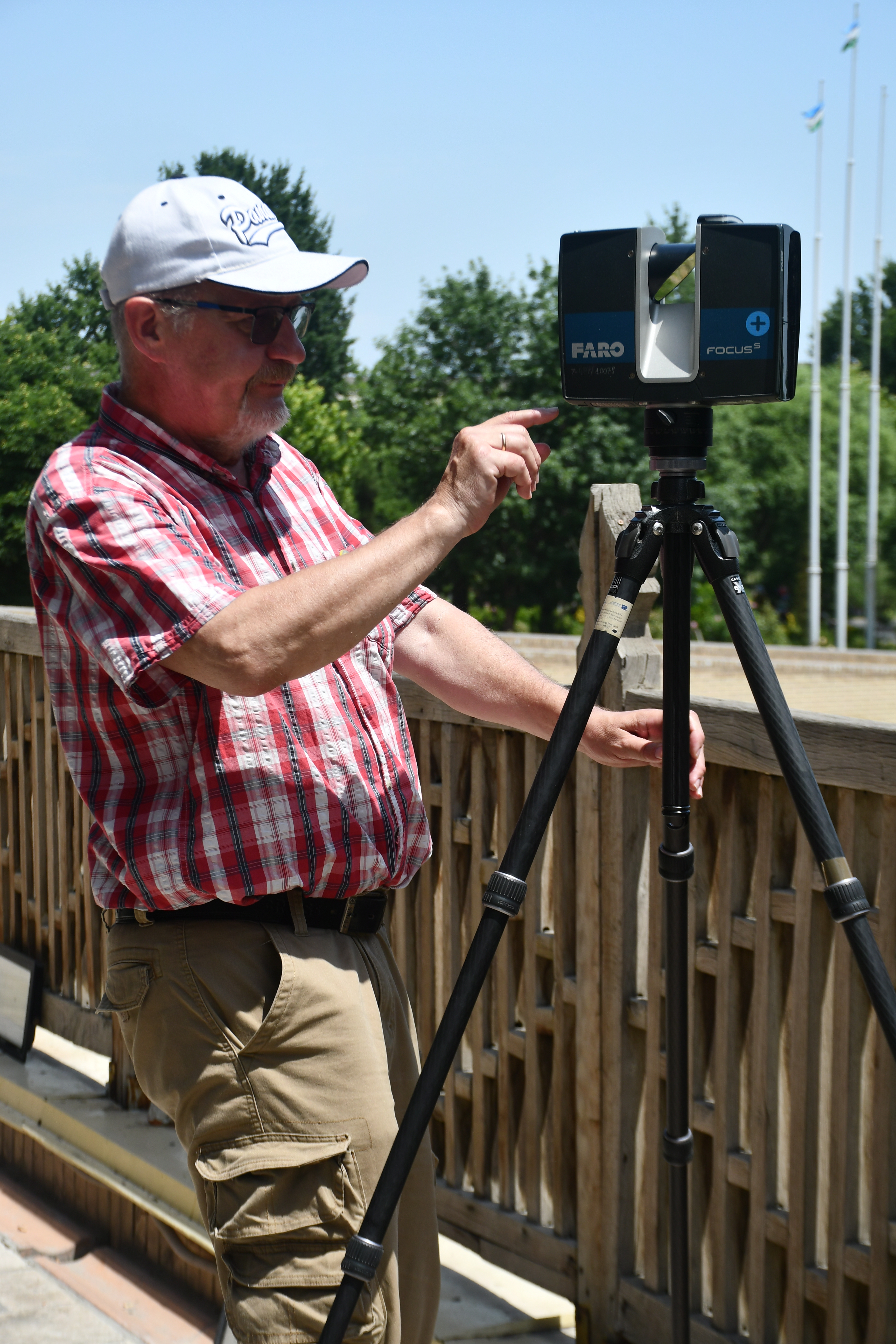
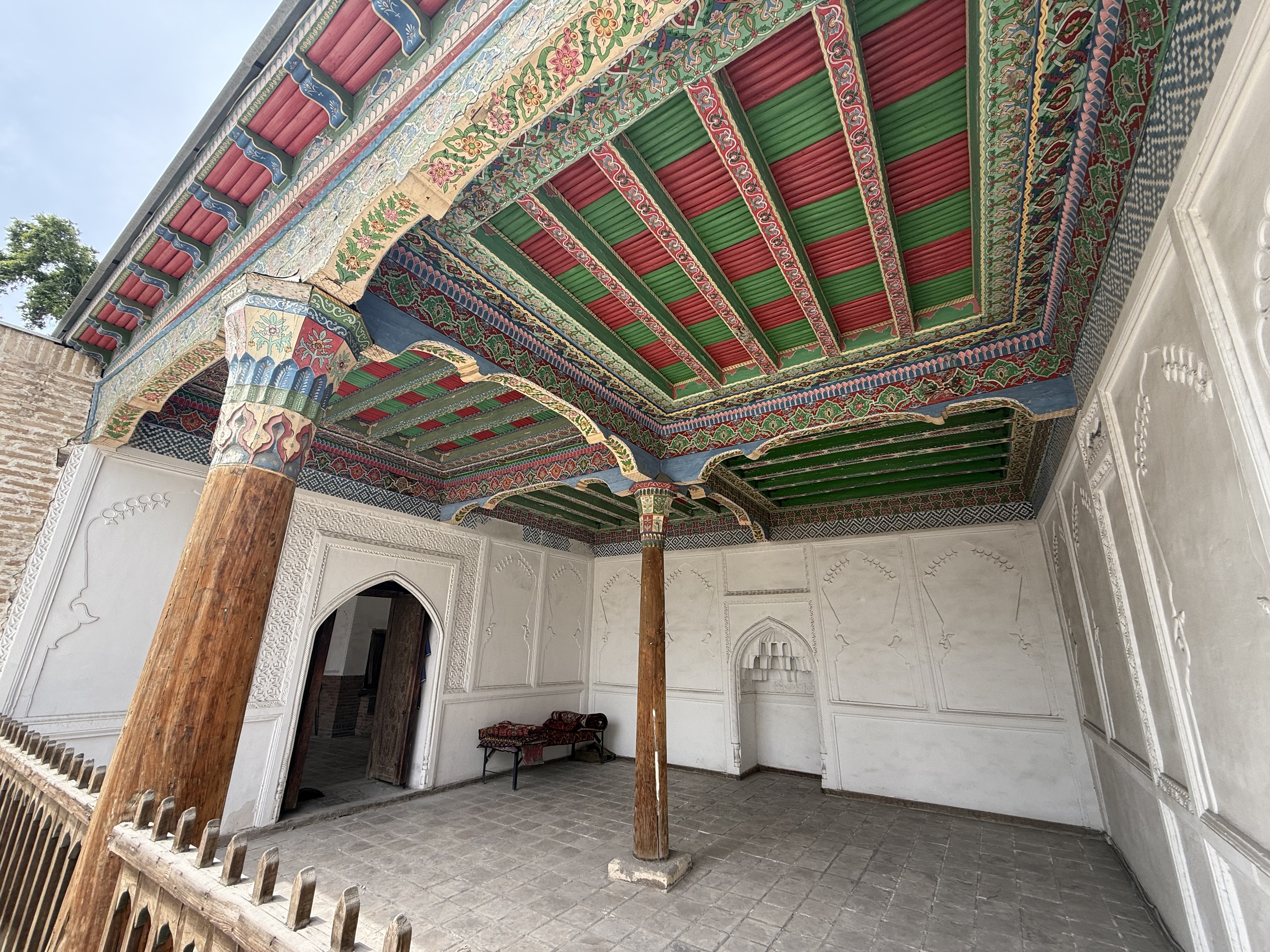
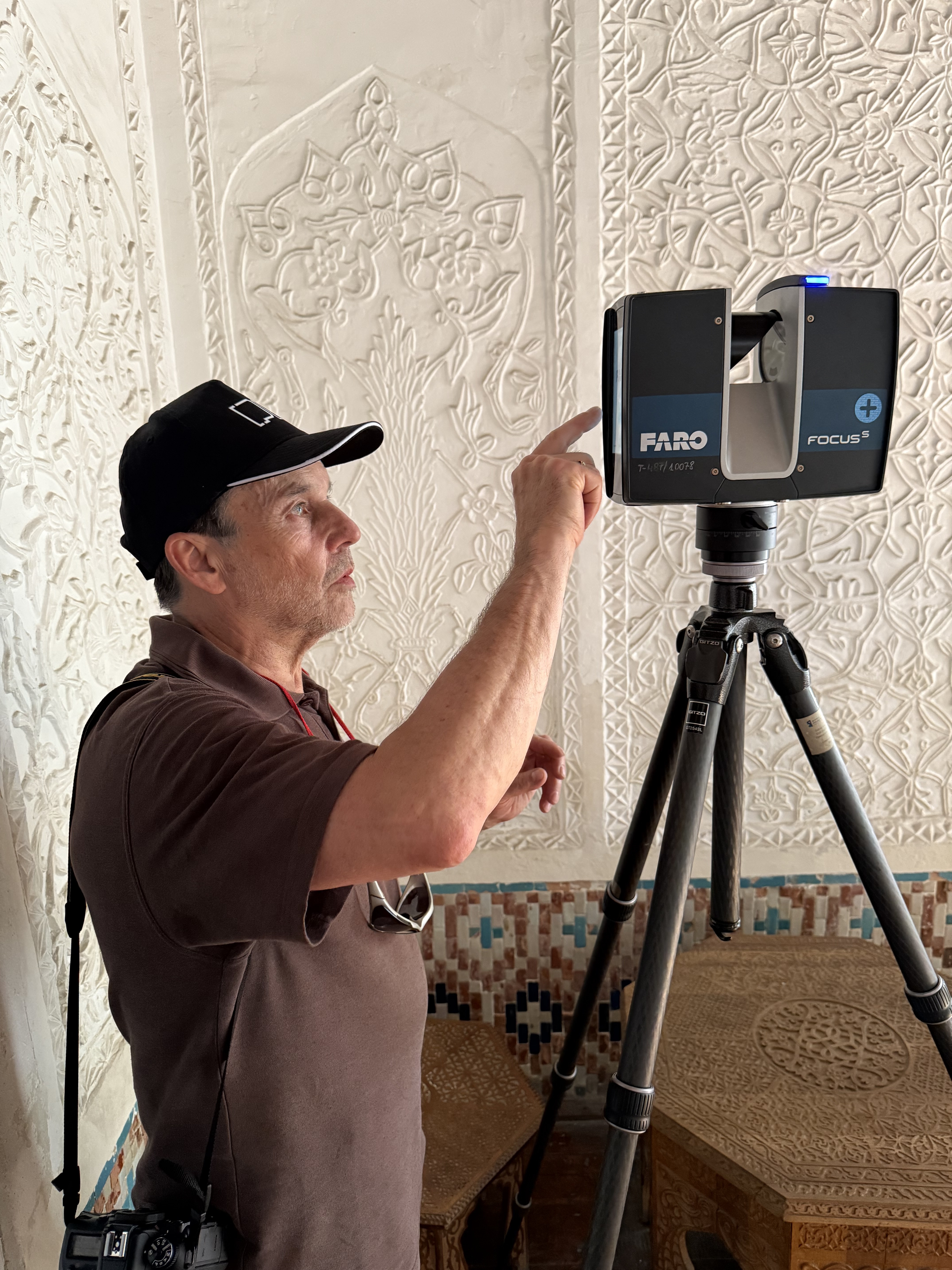
- 3D scanning using TLS technology (FARO scanner) and CRP (photogrammetry) in Kokand (Fergan Valley), Palace of the Khan of Kokand – 2nd half of the 19th century (36 scans, 7 GB; 1100 photos, 12.5 GB), 2. Mausoleums from the 2nd half of the 19th century (24 scans, 7 GB; 750 photos, 9 GB) and architectural details using LiDAR technology (20 objects, 0.5 GB).
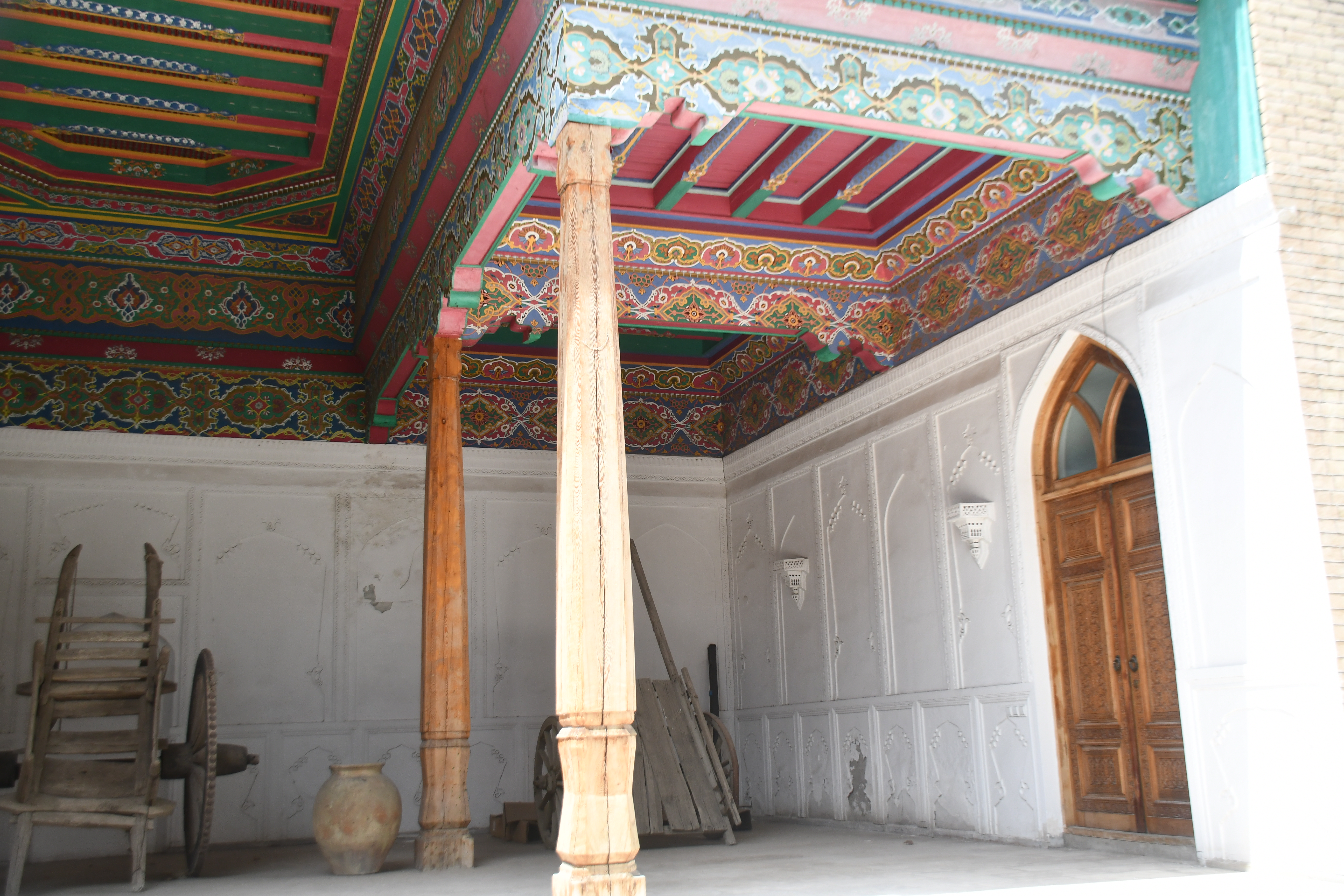
- 3D scanning using TLS technology (FARO scanner) and CRP (photogrammetry) in the town of Margilan (Fergan Valley), 2. museum halls at the Margilan Craft Development Center located in the former “Said Ahmad Khuja Esnon” madrasa from the late 19th century (20 scans, 5.5 GB; 400 photos, 4.7 GB) and architectural details using LiDAR technology (6 objects, 0.2 GB),
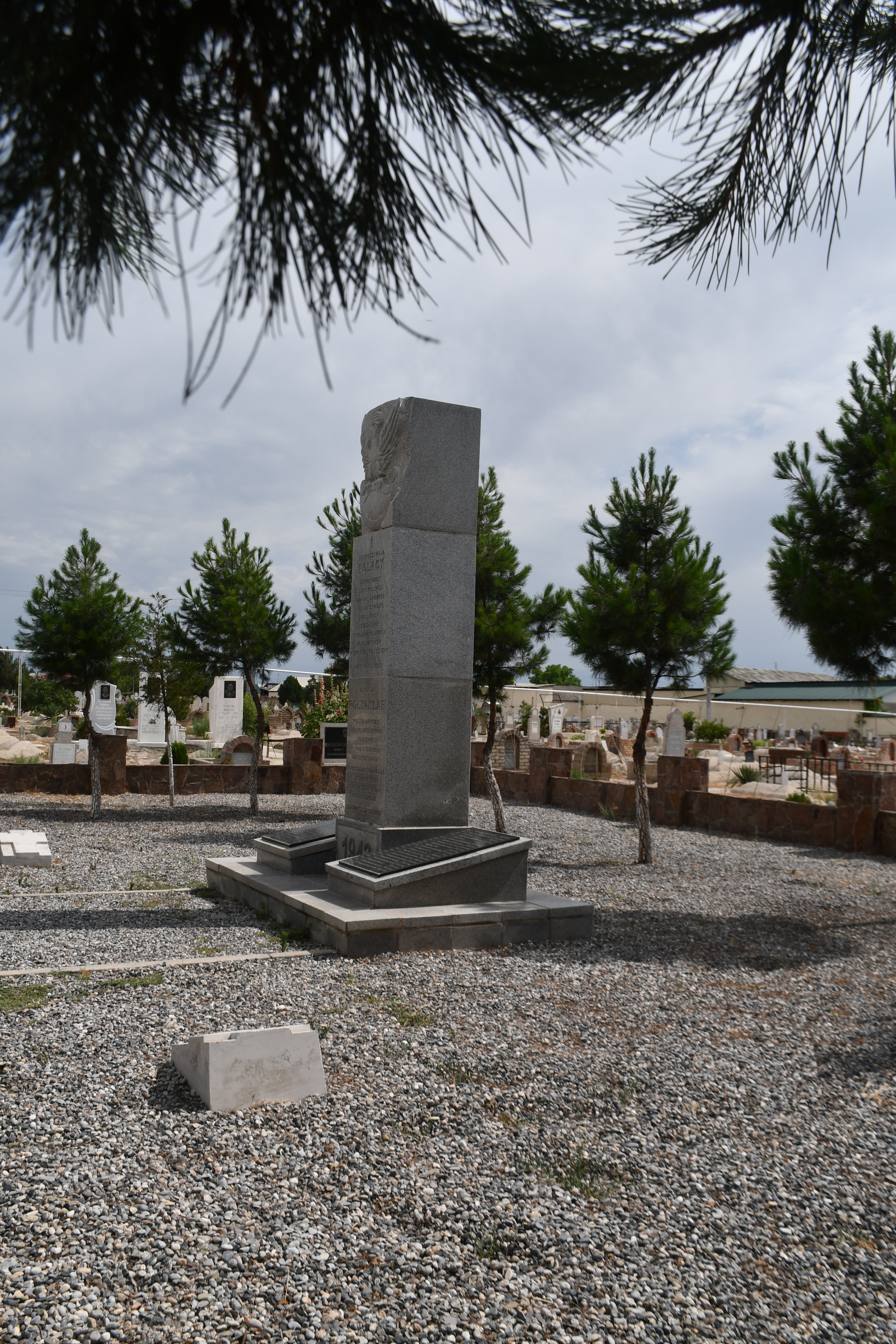
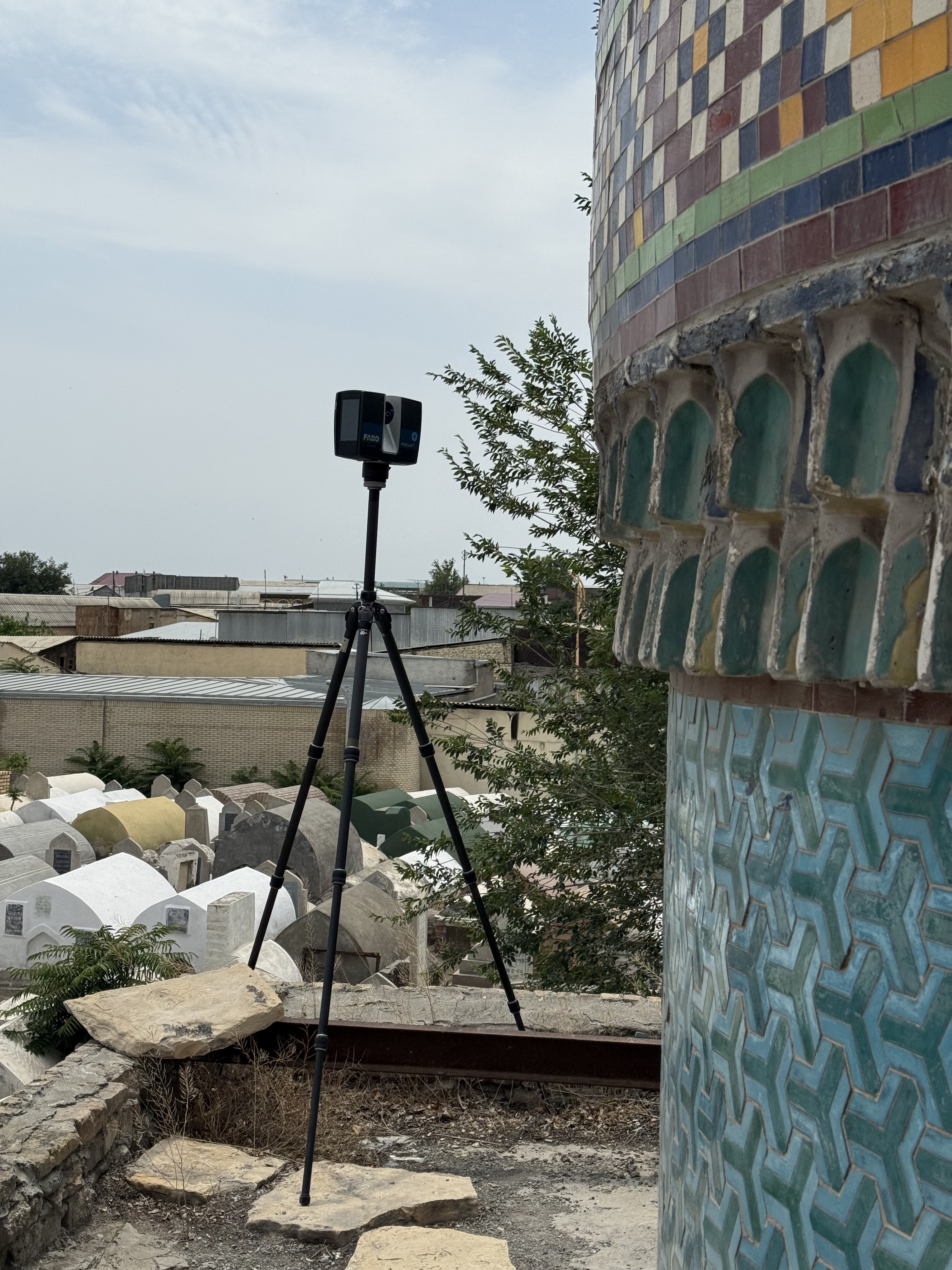
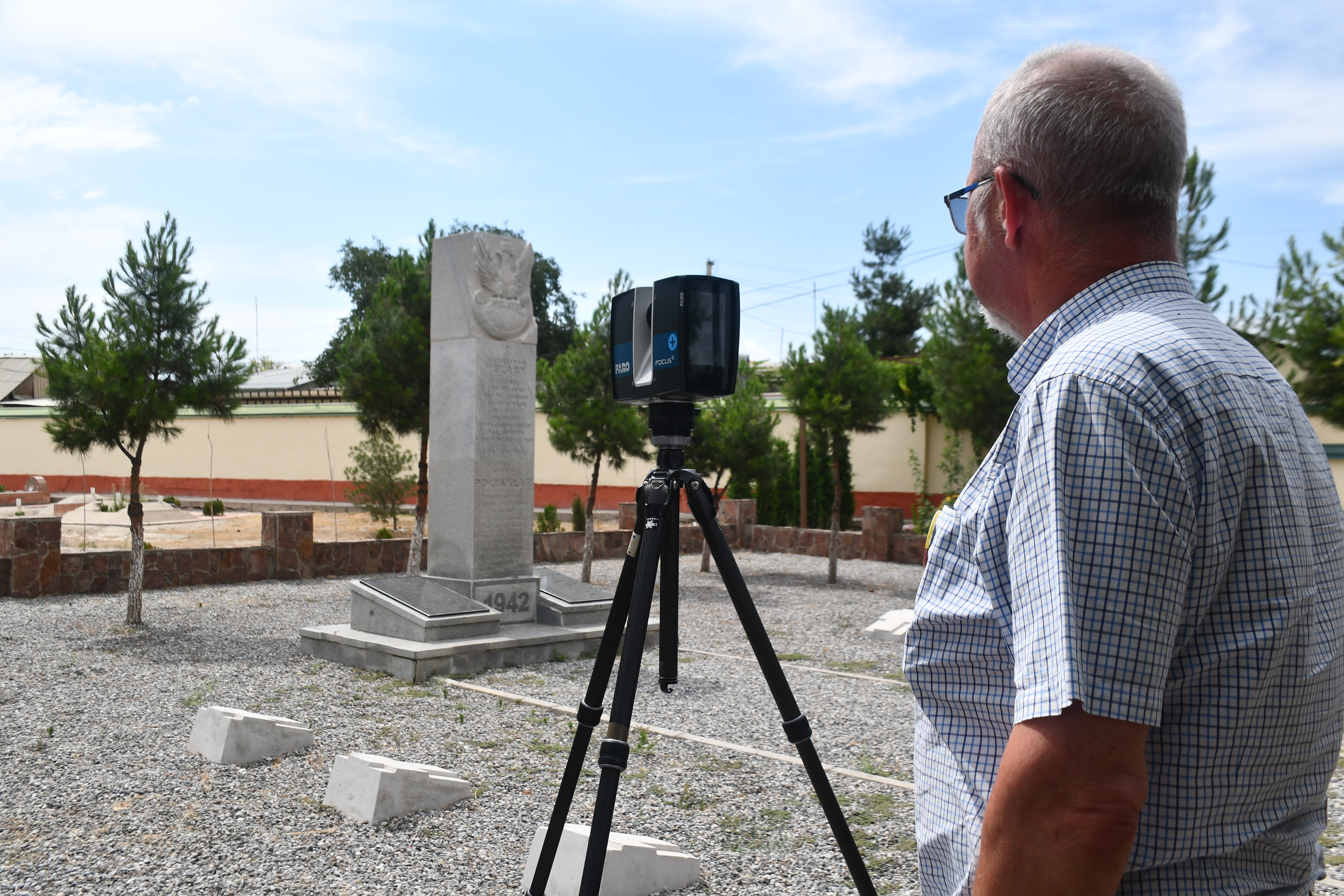
- 3D scanning of the cemetery of soldiers of the Polish Army in the East of General Władysław Anders using TLS technology (FARO scanner) – 4 scans, 1.3 GB.
Kirgistan:
- Meeting with Prof. Nella Israilova, Dean of the Faculty of Computer Science and Engineering at Kyrgyz State Technical University named after I. Razzakov, regarding the signing of an extension of the memorandum of understanding on further cooperation.
- 3D scanning using TLS technology (FARO scanner) and CRP (photogrammetry) in the town of Manas Ordo – the Manas Mausoleum from the 1st half of the 14th century. (13 scans, 4 GB; 250 photos, 2.4 GB), architectural details using LiDAR technology (20 objects, 0.5 GB) and a provincial mausoleum from the 19th century (6 scans, 1 GB; 140 photos, 1.3 GB),
- 3D scanning using TLS technology (FARO scanner) and CRP (photogrammetry) of the Tash-Rabat caravansarai, probably from the 9th–11th centuries, located in a valley at an altitude of 3,200 m above sea level, exterior (22 scans, 5 GB; 220 photos, 2.3 GB), interior (16 scans, 3.8 GB; 240 photos, 2.3 GB),
- 3D scanning using TLS technology (FARO scanner) and CRP (photogrammetry) of the Burana tower from the 11th century, exterior (6 scans, 1.9 GB; 220 images, 2.6 GB), located near the town of Tokmok,
- 3D scanning using TLS technology (FARO scanner) of stone obelisks of human figures known as “balbals” (13 scans, 4 GB) and using LiDAR technology: “balbals”, tombstone obelisks, and petroglyphs (21 objects, 0.6 GB), located in the outdoor museum at the Burana Tower,
3D scanning using LiDAR technology of “balbals” located at the Kyrgyz State Historical Museum (5 objects, 0.15 GB).W czasie ekspedycji wykonano łącznie ponad 5500 zdjęć (fotografie do fotogrametrii, dokumentacyjne i reportażowe) o łącznym rozmiarze około 63 GB oraz ponad 40 GB danych ze skanowania w technologii TLS i LiDAR. Łącznie pozyskano dane o geometrii i teksturze 10. obiektów architektonicznych (bryły i wnętrza) oraz ponad 60 małych obiektach materialnego dziedzictwa kulturowego. The activities carried out during the expedition in the Fergana Valley were already described in the Samarkand press 11-я польско-узбекская научная экспедиция в Ферганскую область – Музеи Самарканда – Виртуальный тур 3D.
The acquired data will be gradually processed and the results published on the website: silkroad3d.com, which currently has 1.58 million visits from almost all countries of the world.
Jerzy Montusiewicz